
Favorite Smoke Mitigation Service Tools For Effective Air Control
Identify the most reliable and popular tools used to mitigate smoke and protect occupants from airborne pollutants.
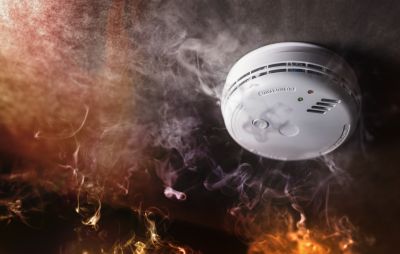 Products designed for smoke mitigation services are essential tools for addressing indoor air quality issues caused by smoke infiltration, fire incidents, or other particulate sources. These products vary widely in their design, functionality, and application, allowing professionals to tailor solutions based on specific needs. From portable air filtration units to sophisticated ventilation systems, each product plays a role in reducing airborne contaminants and improving indoor environments.
Top Overall Option
High-Efficiency Air Filtration System
A high-efficiency air filtration system equipped with HEPA filters is a versatile choice for smoke mitigation. It is capable of capturing a wide range of airborne particles, including fine smoke particulates, and can be used in various settings such as residential, commercial, or emergency response environments. These systems often feature adjustable fan speeds, easy filter replacement, and multiple filtration stages to optimize air cleaning performance.
Types of Products For Smoke Mitigation Service
Portable HEPA Air Purifiers
Compact units designed to filter airborne particles in individual rooms or small spaces, ideal for quick deployment and flexible use.
Whole-House Ventilation Systems
Integrated systems that provide continuous air exchange across entire buildings, helping to reduce smoke buildup over large areas.
Industrial Smoke Extractors
Heavy-duty extraction units suitable for large-scale or commercial environments, capable of handling significant smoke loads.
Negative Pressure Air Scrubbers
Devices that create negative pressure to contain and remove smoke particles from contaminated areas efficiently.
Carbon Activated Air Filters
Filters that utilize activated carbon to adsorb smoke odors and chemical contaminants alongside particulate removal.
Ventilation Fans with Smoke Control
Fans designed to enhance airflow and assist in smoke removal during emergency or restoration procedures.
Containment Barriers and Seals
Physical barriers that help isolate contaminated areas and prevent smoke migration during cleanup efforts.
Electrostatic Air Cleaners
Devices that use electrostatic precipitation to attract and trap smoke particles from the air.
Air Quality Monitors
Instruments that measure particulate levels and help determine the effectiveness of mitigation efforts.
UV-C Air Purifiers
Units that incorporate ultraviolet light to neutralize biological contaminants and improve air safety.
Mobile Smoke Extraction Units
Portable units suitable for rapid deployment in various locations to manage smoke during emergency responses.
Air Scrubbing Trucks
Large-scale vehicles equipped with filtration systems for outdoor or large indoor environments affected by smoke.
Air Ionizers
Devices that charge particles to promote their removal from the air, reducing smoke residues.
Odor Neutralizing Sprays
Chemical agents designed to mask or neutralize smoke odors in affected spaces.
Smoke Absorbing Gels and Beads
Absorbent materials that trap smoke particles and odors in confined areas.
Popular Choices
Widely used for quick and effective air cleaning in individual spaces, suitable for various environments.
Commonly employed in commercial settings for handling larger smoke volumes during cleanup or restoration.
Preferred in emergency and restoration scenarios for containing and removing smoke particles efficiently.
Popular for providing comprehensive air exchange in residential or commercial buildings affected by smoke.
Effective for odor control and particulate removal, frequently selected for comprehensive smoke mitigation.
Commonly used to assess indoor air quality levels and guide mitigation strategies.
Popular for their ability to neutralize biological contaminants along with smoke particles.
Chosen for their high-efficiency particle removal capabilities in various settings.
Favored for their portability and rapid deployment during emergency response efforts.
Commonly used for quick odor mitigation in affected spaces post-smoke events.
Effective smoke mitigation often involves a combination of air filtration and ventilation. High-efficiency particulate air (HEPA) filters are commonly used in air purifiers to trap fine particles, including smoke particles that can penetrate deep into respiratory pathways. Ventilation systems, including exhaust fans and negative pressure setups, help remove contaminated air from the space and introduce fresh air, thereby reducing the concentration of smoke particles.
In addition to mechanical solutions, there are also products designed to seal and contain smoke within specific areas, preventing its spread to other parts of a building. Such containment products are vital in emergency situations or during fire restoration processes. When selecting products for smoke mitigation, it is important to consider the size of the space, the level of contamination, and the specific requirements of the environment.
Proper maintenance and regular replacement of filters are crucial to ensure the ongoing effectiveness of smoke mitigation equipment. Many products also feature user-friendly interfaces and adjustable settings, allowing operators to customize airflow and filtration levels based on real-time needs. Overall, investing in the right combination of smoke mitigation tools can significantly enhance indoor air quality and safety during fire incidents or smoke-related events.
Key Buying Considerations
- Room or space size to ensure proper capacity and airflow rate.
- Type of contaminants present, including particulate size and odor levels.
- Filtration efficiency, especially for fine smoke particles and chemicals.
- Ease of maintenance and filter replacement procedures.
- Portability and ease of deployment for rapid response scenarios.
- Noise levels, particularly for use in occupied or sensitive environments.
- Energy consumption to balance operational costs with effectiveness.
- Compatibility with existing ventilation or HVAC systems.
- Additional features such as adjustable fan speeds, timers, and remote controls.
- Durability and build quality for long-term use in demanding conditions.
- Compliance with safety standards and certifications.
- Cost of filters and replacement parts over the lifespan of the device.
- User interface and ease of operation for non-technical users.
- Availability of technical support and warranty options.
- Ability to contain or isolate smoke in specific areas when needed.
This content includes affiliate links; purchasing through these links may earn a commission at no additional cost to you.