Optimal Timing for Smoke Mitigation
Determining the optimal time for smoke mitigation service depends on various factors including seasonal wildfire activity, local regulations, and environmental conditions. Typically, the service is most effective when conducted prior to wildfire season peaks or after periods of intense fire activity to reduce smoke accumulation and improve air quality.
Performing smoke mitigation before wildfire season helps reduce smoke buildup and protects indoor air quality during high-risk periods.
After wildfire events, smoke mitigation can help remove residual smoke particles and improve ventilation.
Spring and fall are ideal times for mitigation, aligning with seasonal weather patterns and fire activity cycles.
Dry, windy conditions increase wildfire risk, making proactive mitigation more beneficial during these periods.
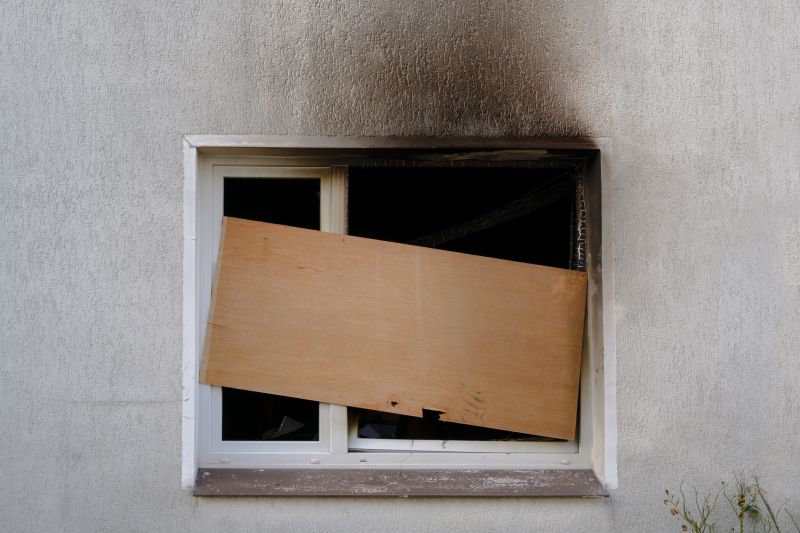
Mitigation efforts are most effective when scheduled before wildfire seasons begin.
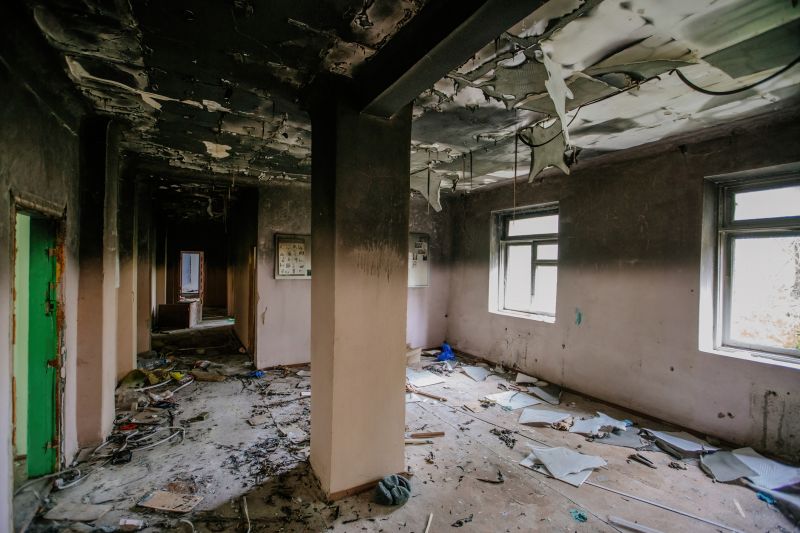
Removing residual smoke particles after fires can improve indoor air quality.
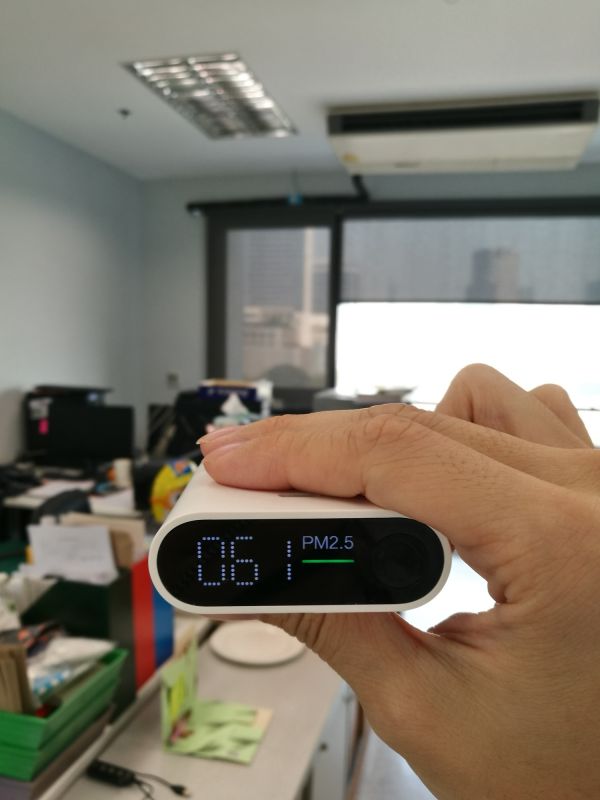
Timing mitigation during transitional seasons helps maintain cleaner indoor environments.
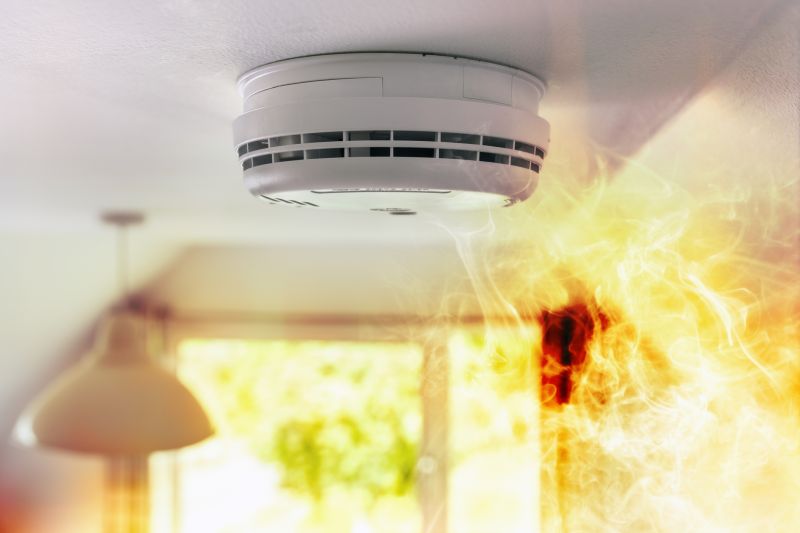
Monitoring weather and fire activity informs the best times for mitigation.
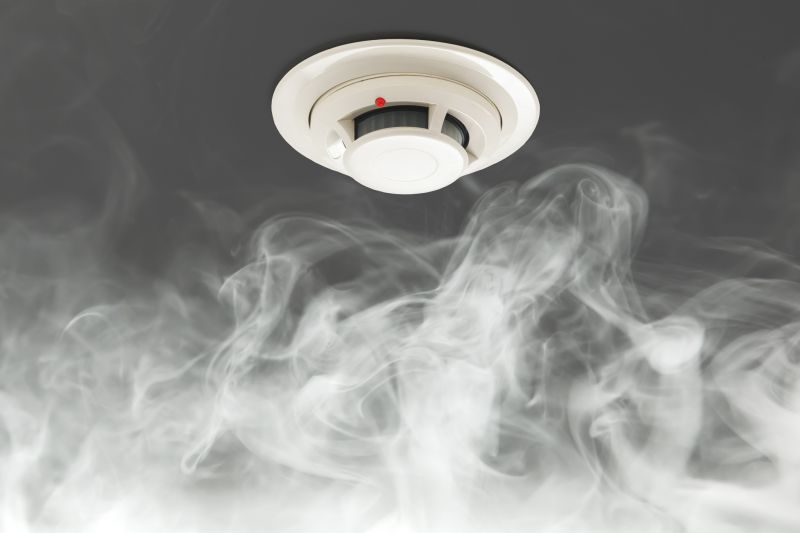
Proactive mitigation reduces health risks associated with smoke exposure during peak periods.
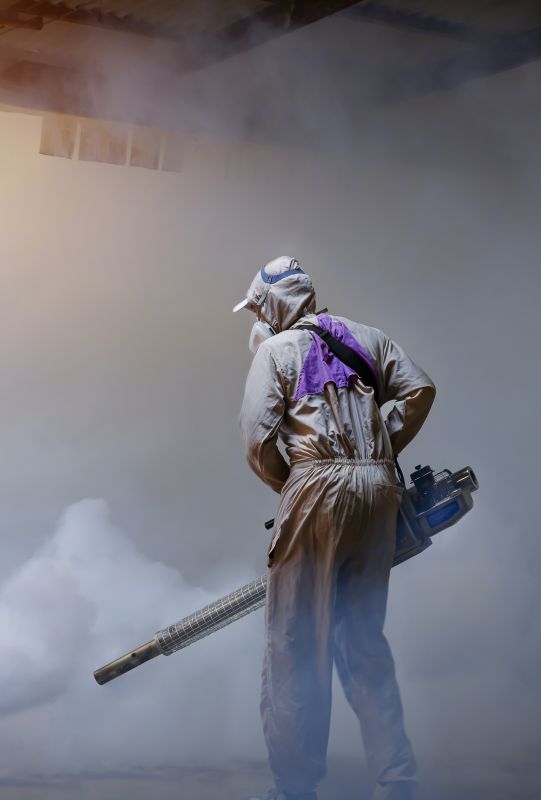
Aligning mitigation with seasonal and environmental factors maximizes effectiveness.
| Timing Aspect | Details |
|---|---|
| Pre-season | Conduct mitigation before wildfire season begins to prevent smoke buildup. |
| During high activity | Implement mitigation if wildfire activity is intense to reduce indoor smoke. |
| Post-fire | Perform mitigation after wildfires to remove residual smoke particles. |
| Seasonal windows | Spring and fall often offer optimal conditions for mitigation efforts. |
| Weather considerations | Dry and windy weather increases fire risk, suggesting proactive mitigation. |
| Regulatory guidance | Follow local recommendations for timing based on fire risk levels. |
Smoke mitigation service involves the removal or reduction of smoke particles from indoor environments, improving air quality and reducing health risks. Techniques may include air filtration, ventilation improvements, and targeted cleaning. Regular mitigation is especially important in regions prone to wildfires or during periods of elevated smoke levels. Statistics indicate that proactive mitigation can significantly decrease indoor particulate matter, leading to healthier living conditions and fewer respiratory issues.
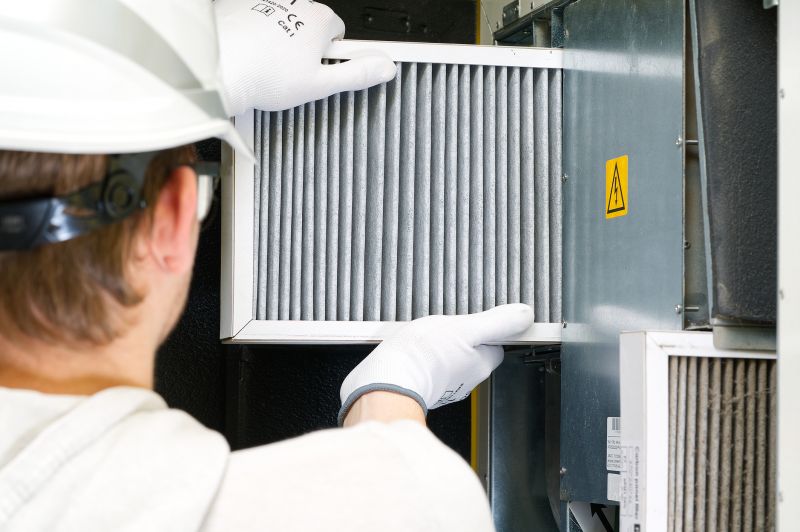
Advanced filters effectively remove smoke particles from indoor air.
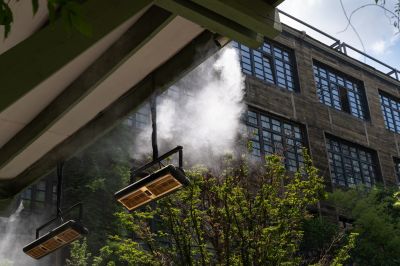
Optimized ventilation helps reduce indoor smoke accumulation.
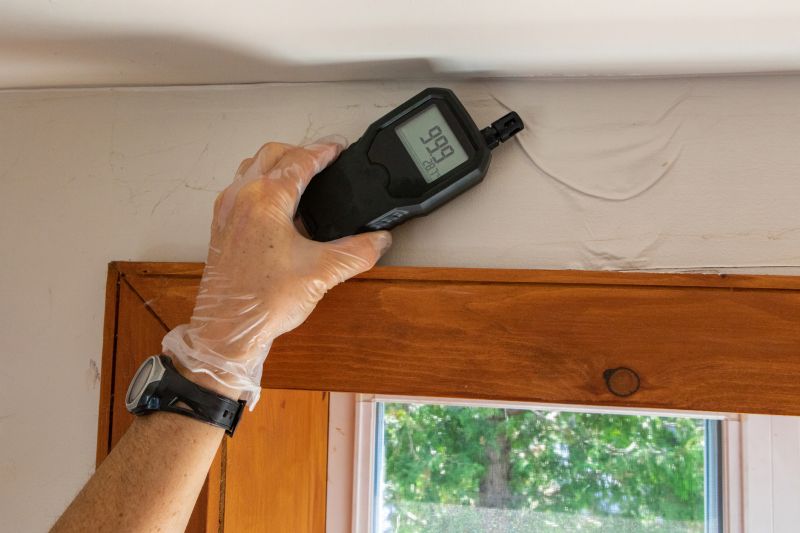
Monitoring devices assess the effectiveness of mitigation efforts.
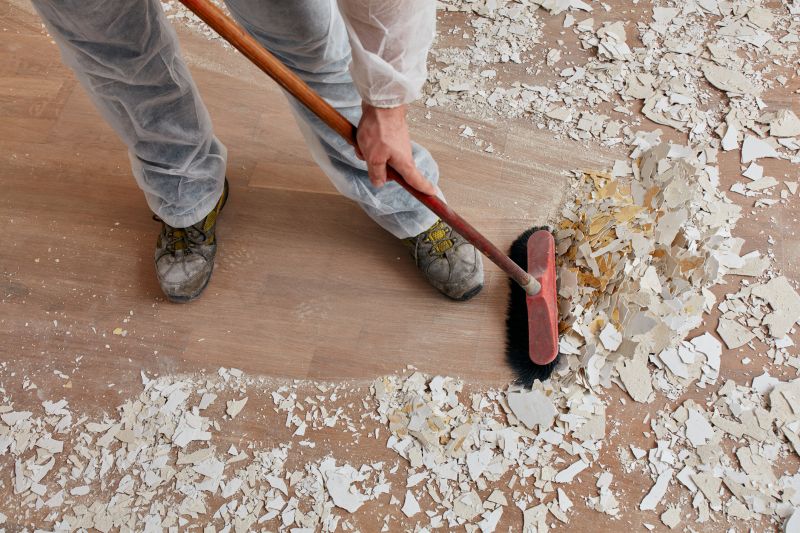
Thorough cleaning ensures removal of residual smoke residues.
Interested in scheduling a smoke mitigation service? Filling out the contact form provides a convenient way to discuss needs and arrange for professional assistance. Proper timing and effective mitigation techniques can significantly improve indoor air quality and health outcomes.